
Every few years, someone declares SEO dead.
Social media killed it in 2010. Mobile killed it in 2015. Voice search killed it in 2018. Now AI search is supposedly the final nail in the coffin.
Here’s the truth: SEO isn’t dead. But if you’re still optimizing like it’s 2022, you’re already behind.
Why Everyone Thinks SEO is Dying
The panic makes sense when you look at the numbers.
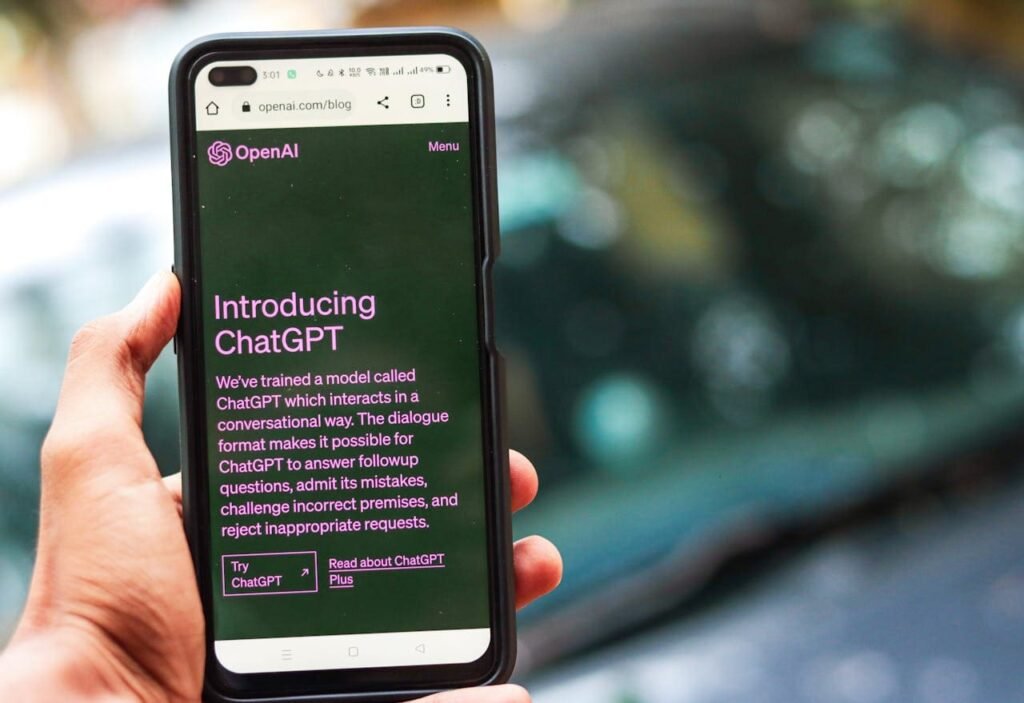
ChatGPT answers questions without sending users anywhere. Perplexity cites sources but keeps users on their platform. Google’s AI Overviews push organic results below the fold. Traditional click-through rates are dropping across industries.
Marketing managers see their traffic declining despite ranking well. Agency owners watch clients question their SEO retainers. In our work at Rope Digital, we’ve had clients come to us confused about why their rankings look solid but their lead flow has dropped. The old playbook stopped working and nobody sent a memo.
But declining clicks doesn’t mean SEO is dead. It means the game changed.

What Actually Changed
Zero-Click Searches Became the Norm
Google answers 65% of searches without users clicking anything.
AI Overviews, featured snippets, and knowledge panels satisfy user intent on the search results page. Your perfectly optimized content ranks first but generates zero traffic.
This isn’t new. It’s been trending this direction since 2019. AI just accelerated what was already happening.
AI Search Engines Bypass Traditional Rankings
ChatGPT, Claude, Perplexity, and Gemini don’t rank websites. They synthesize information and present answers.
Users ask “What’s the best CRM for small businesses?” The AI compiles an answer from multiple sources. Maybe your comprehensive blog post informed that answer. You’ll never know because there’s no analytics.
Traditional SEO metrics like rankings and backlinks matter less when AI models train on the entire internet.
Search Intent Got More Complex
People don’t search like they used to.
Instead of “best project management software,” they ask “what project management tool works best for a remote team of 15 with tight budget constraints and Slack integration?”
AI handles complex, conversational queries better than keyword-matching algorithms. Your content needs to answer nuanced questions, not just target keywords. This shift has changed how we approach content strategy at Rope—moving from keyword lists to understanding actual user problems.
The New Rules of AI-Era Search
Optimize for AI Citations
AI search engines cite sources when they provide answers.
Perplexity shows numbered references. ChatGPT sometimes links to sources. Google’s AI Overviews pull from featured content. Getting cited by AI matters more than ranking first.
Structure your content so AI models can easily extract and attribute information. Clear headings, concise answers, and authoritative data increase citation chances. When we audit client sites now, we’re looking at content structure through the lens of “can an AI easily cite this?”
Create Genuine Expertise Content
Generic keyword-stuffed content is worthless in 2025.
AI models prefer content from recognized experts with demonstrated authority. They evaluate author credentials, site reputation, and content depth. Surface-level blog posts optimized for keywords won’t cut it.
Deep expertise wins. Technical guides, original research, and nuanced analysis get cited. Regurgitated information gets ignored. This is why our approach emphasizes creating content that demonstrates real industry knowledge rather than churning out generic posts.
Build for Generative Engine Optimization (GEO)
GEO is the new SEO.
It’s about making your content AI-friendly. Use structured data markup. Write clear, quotable statements. Include statistics and data points AI models cite. Organize information logically so AI can extract key points.
Think about how an AI would summarize your content. Make that easy.
What Still Matters from Traditional SEO
Some fundamentals never die, and our years of experience optimizing sites have shown us which principles remain critical.
Technical Excellence Remains Critical
Fast sites still win. Slow sites still lose.
AI search engines evaluate page speed, mobile optimization, and site structure. Google’s AI Overviews prioritize technically sound websites. Core Web Vitals matter even more now because technical quality signals trustworthiness.
Broken sites with poor user experience won’t get cited regardless of content quality. Technical SEO has always been a foundation of our work at Rope, and that hasn’t changed—if anything, it’s become more important.
Backlinks Indicate Authority
Links still signal credibility.
AI models evaluate source quality partly through link profiles. Sites with authoritative backlinks get cited more often. Building genuine relationships and earning quality links remains valuable.
The difference is AI cares about link quality over quantity even more than traditional algorithms did.
User Experience Drives Everything
If users hate your site, AI models know.
Bounce rates, time on page, and engagement metrics inform AI about content quality. Sites that answer questions clearly and provide good experiences get rewarded.
User experience and SEO finally merged completely. You can’t fake one to win the other.
The Brutal Truth About AI Search
Not all traffic is dying. Just low-intent traffic.
People researching products still click through to websites. Users comparing solutions still visit multiple sites. High-intent commercial searches still generate traffic and conversions.
What’s dying is informational traffic from people who just want quick answers. That traffic never converted well anyway. We’ve actually seen some clients experience better conversion rates despite lower overall traffic because the visitors who do click through have genuine intent.
AI search is killing content that never deserved traffic in the first place.

How Marketing Teams Should Adapt
Diversify Beyond Google
Relying solely on Google search was always risky.
Build presence where your audience actually is. LinkedIn for B2B. Communities for niche industries. Direct channels like email and newsletters. Podcast appearances and partnerships.
This is why we structure our digital marketing services at Rope to include multiple channels—SEO works best as part of an integrated strategy, not as a standalone solution. Traditional SEO should be one traffic source among many, not your only strategy.
Focus on Brand Over Rankings
Strong brands get cited by AI more often.
Invest in thought leadership. Publish original research. Build recognition in your industry. When AI models evaluate sources, known brands get preference.
We’ve found that combining SEO with broader brand-building initiatives—content marketing, social presence, and industry engagement—creates more sustainable results than rankings-focused tactics alone.
Create Content Worth Citing
Stop producing content for search engines. Produce content for humans that search engines and AI models both recognize as valuable.
Original insights, proprietary data, expert analysis, and comprehensive guides get cited. Generic listicles and keyword-stuffed blog posts don’t.
Quality always mattered. Now it’s the only thing that matters.
What This Means for Different Roles
Marketing Managers
Justify SEO budgets differently now. Track brand mentions, citation rates, and high-intent conversions instead of just rankings and traffic.
Your CEO won’t care about ranking first if traffic and leads are declining. Show how SEO supports broader business goals.
SEO Professionals
Expand your skill set beyond technical optimization. Learn content strategy, brand building, and how AI models evaluate sources.
The pure SEO specialist role is shrinking. The strategic digital marketer role that includes SEO is growing. Our team has evolved from traditional SEO specialists to full-stack digital marketers who understand how search fits into the bigger picture.
Agency Owners
Position SEO as part of integrated digital strategies. Clients need help adapting to AI search, not just traditional optimization.
Agencies that evolve win long-term retainers. Agencies stuck in old playbooks lose clients.
The Real Future of Search
SEO isn’t dead. It’s growing up.
The tactics that always felt manipulative—keyword stuffing, link schemes, content farms—are finally dying. What remains is building genuinely valuable resources that humans and AI both recognize as authoritative.
This is good news if you’re willing to do the work. It’s terrible news if you relied on shortcuts.
The future belongs to brands that create real value and build genuine authority. AI just made that truth unavoidable. And from what we’re seeing at Rope, those who adapt early are already seeing the benefits—better quality traffic, stronger brand recognition, and more meaningful engagement.
Want to discuss how AI search impacts your specific marketing strategy? Book a free consultation and we’ll walk through your current approach and where adaptation makes sense.