
Your perfectly optimized content ranks first on Google. Traffic is steady. Conversions are solid.
Then you ask ChatGPT about your industry. Your competitors get cited. You don’t exist.
Welcome to generative engine optimization, where traditional SEO rules don’t guarantee AI visibility. Learning how to optimize for ChatGPT and AI search engines has become essential as ChatGPT reached 800 million weekly users by October 2025. Perplexity is driving 4.4 times higher conversion rates than traditional search. Meanwhile, Google’s AI Overviews now appear in 20% of searches.
If you don’t know how to optimize for ChatGPT and other AI platforms, you’re invisible to a rapidly growing audience. Understanding AI search optimization separates forward-thinking businesses from those stuck in 2020.
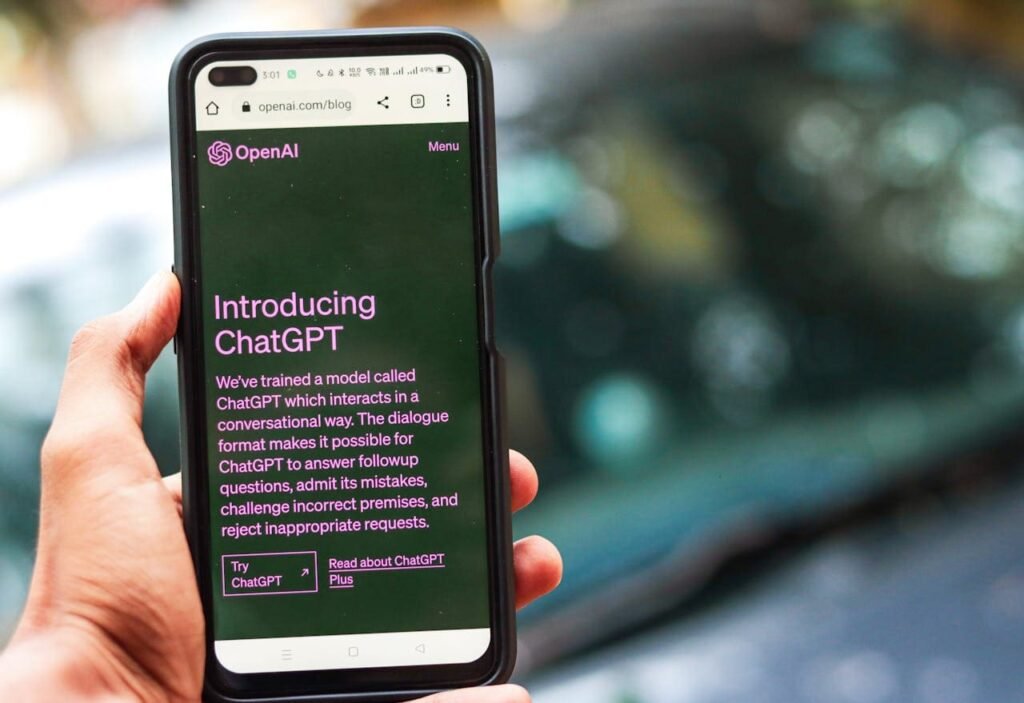
What is Generative Engine Optimization (GEO)
GEO is optimizing content to get cited in AI-generated answers.
Traditional SEO gets you ranked in search results. However, GEO gets you referenced when ChatGPT, Perplexity, or Google’s AI Mode synthesizes information. Instead of driving clicks, you’re building citation authority.
The shift matters because user behavior changed. People ask ChatGPT direct questions instead of googling keywords. They expect synthesized answers from multiple sources, not ten blue links.
Research shows content with proper schema markup sees 30-40% higher visibility in AI responses. Sites earning AI citations convert visitors at 4.4 times the rate of traditional organic traffic.
The business case is clear. Early movers gain disproportionate visibility while 47% of brands still lack any GEO strategy. Similar to how SaaS companies generate signups through SEO, those who master AI search optimization early capture disproportionate market share.
How AI Platforms Actually Source Content
Understanding how AI engines select sources changes your entire approach when you optimize for ChatGPT and other platforms.
ChatGPT’s Citation Logic
ChatGPT relies heavily on established authority. Analysis of 485,000 citations shows Wikipedia dominates nearly 48% of ChatGPT’s top sources. The platform favors comprehensive resources, government sites, and recognized industry publications.
Commercial domains get 80% of citations, with nonprofits capturing another 11%. Consequently, ChatGPT rarely cites new or unknown sources unless they demonstrate exceptional expertise.
Perplexity’s Real-Time Approach
Perplexity searches the web in real-time and displays 2-6 sources per answer.
It prioritizes recent content, community-driven platforms like Reddit, and sources with clear authority signals. About 60% of Perplexity citations overlap with Google’s top 10 organic results, meaning strong traditional SEO helps.
But Perplexity also pulls from forums, comparison sites, and niche authoritative sources that traditional search might undervalue.
Google AI Overviews
Google’s AI Mode shows more distributed citation patterns. It pulls from diverse content types and prioritizes schema-enhanced pages.
Sites already ranking well organically have advantages, but Google’s AI also elevates clear, structured content that might rank position 11-100 traditionally. Nearly 10% of AI Overview citations come from pages outside the top 10.
Core Strategies to Optimize for ChatGPT and AI Search Engines
Let’s break down what moves the needle across all platforms when you optimize for AI engines.
Structure Content for AI Extraction
AI models extract quotable information, not full articles.
Start every major section with a direct answer in under 40 words. Use clear H2 and H3 headings that function as standalone questions. Moreover, break complex information into scannable bullet points and numbered lists.
Pages with statistics and quotations show 30-40% higher AI visibility. Instead of saying “email marketing can be effective,” write “email marketing generates an average ROI of $42 for every dollar spent.”
Specific, quotable statements get cited. Vague generalizations don’t.
Implement Schema Markup for ChatGPT SEO
Schema tells AI exactly what your content means.
FAQ schema, Article schema, and HowTo schema directly support AI citation. Use JSON-LD format in your page header. Furthermore, Google’s Structured Data Markup Helper makes implementation straightforward even without coding knowledge.
Validate your schema using Google’s Rich Results Test. Fix any errors immediately because broken schema confuses AI parsers and eliminates citation chances.
Local businesses should add LocalBusiness schema with complete address, hours, and geographic coordinates. Service providers need Service schema tied to specific locations.
At Rope Digital, we implement comprehensive schema strategies for clients’ websites as part of our SEO services for SaaS companies. Proper structured data forms the foundation of successful AI search optimization.
Build Semantic Topic Clusters
AI platforms reward comprehensive topical coverage.
Create pillar content on core subjects surrounded by detailed articles covering related subtopics. Link between related pages to show content relationships. This semantic footprint increases the probability AI models find and cite your content across query variations.
Don’t target single keywords. Cover entire topics with depth. AI engines use query fan-out to explore adjacent concepts, so comprehensive coverage beats narrow optimization.
Prioritize E-E-A-T Signals
Experience, Expertise, Authority, and Trustworthiness matter more for AI.
Display author credentials prominently. Link to authoritative external sources. Additionally, update content regularly with modification dates visible. Include original research, proprietary data, or expert analysis that differentiates your content.
AI models evaluate source quality rigorously. Generic content gets ignored regardless of technical optimization. Genuine expertise wins.

Platform-Specific Optimization Tactics: How to Optimize for ChatGPT vs. Perplexity vs. Google
Different AI platforms require adjusted approaches when you optimize for AI engines.
Optimizing for ChatGPT
Focus on authority building outside your own site. Get featured on industry ranking lists, review platforms like G2 and Clutch, and authoritative directories.
ChatGPT weighs third-party validation heavily. Customer reviews, usage data, and social sentiment influence recommendations. A strong presence on platforms ChatGPT already trusts matters more than your own website content.
Traditional backlinks still count because they signal authority to the training data ChatGPT references. Understanding whether SEO is dead with AI search changing everything helps contextualize these evolving tactics.
Optimizing for Perplexity
Perplexity rewards recency and clarity.
Update existing content quarterly with fresh statistics and timestamps. Write enticing title tags and meta descriptions because Perplexity displays them to users alongside citations.
Structure content to answer specific questions in the first 100 words. Use natural language matching how people actually ask questions. Therefore, include clear, scannable sections that Perplexity can easily extract.
Link to trusted external sources. Perplexity favors content that itself cites authoritative references like GitHub repos, Amazon reviews, or Reddit discussions for supporting evidence.
Optimizing for Google AI Overviews
Traditional SEO foundations provide the biggest advantage.
Fast page speed, mobile optimization, and technical excellence remain critical. Google’s AI prioritizes technically sound sites that deliver good user experiences.
Add concise summaries at the top of articles. Use FAQ sections answering common related questions. Ensure schema markup matches visible page content exactly.
Google particularly values content that goes beyond summarizing to provide unique insights, original research, or expert commentary unavailable elsewhere. Working with a web designer who understands technical SEO ensures your site architecture supports AI visibility.
Measuring Your GEO Performance
Tracking AI visibility requires different approaches than traditional analytics.
Manual Testing
Test 10-15 queries monthly across ChatGPT, Perplexity, and Google AI Mode.
Document when your brand appears, what context gets cited, and which competitors show up instead. This qualitative data reveals citation patterns that analytics can’t capture.
Vary your queries to match actual user questions. Test product comparisons, how-to queries, and recommendation requests relevant to your industry.
Referral Traffic Analysis
Set up Google Analytics 4 to track traffic from AI platforms.
Look for referrals from perplexity.ai, chatgpt.com, and other AI search engines. While traffic volumes remain small compared to Google, watch conversion rates closely. AI referrals typically convert significantly better than traditional organic traffic.
Segment this traffic to understand behavior patterns and identify high-value AI-driven visitors.
Citation Monitoring Tools
Specialized GEO tracking tools are emerging.
Platforms like BrightEdge, Profound, and GrowByData now monitor brand mentions across AI platforms. They track citation frequency, competitor visibility, and source attribution.
These tools remain expensive and imperfect, but they provide data manual testing can’t match at scale.
Common Mistakes When You Optimize for ChatGPT and AI Search
Certain approaches waste time or actively harm AI visibility.
Keyword Stuffing
Traditional keyword stuffing performs worse in GEO than SEO.
AI models detect and penalize unnatural repetition. They prioritize content readability and semantic meaning over keyword density. Write naturally while covering topics comprehensively.
Ignoring Content Freshness
Stale content rarely gets cited.
AI platforms strongly prefer recent information. Pages without clear publication or modification dates get overlooked. Consequently, update statistics, refresh examples, and add new sections to existing content regularly.
Sites that refresh content quarterly see consistently higher AI citation rates than those publishing once and forgetting.
Hiding Content Behind Barriers
Paywalls, login requirements, and aggressive popups block AI access.
If bots can’t easily access your content, AI platforms won’t cite it. Keep essential information visible in plain HTML. Use progressive enhancement for premium features rather than hard gates.
Mismatching Schema and Content
Schema that doesn’t reflect actual page content confuses AI.
If your FAQ schema lists questions not answered on the page, or your Article schema claims expertise your content doesn’t demonstrate, AI systems flag the discrepancy. Always ensure structured data accurately represents visible content.
The Practical Implementation Roadmap to Optimize for AI Engines
Start with high-impact changes before tackling comprehensive optimization.
Week One Actions
Audit your top 10 pages for AI readiness. Add clear direct answers in the first paragraph. Implement FAQ schema on pages with natural Q&A content.
Test your key queries across ChatGPT and Perplexity. Document current visibility as baseline.
Month One Goals
Restructure one pillar page following GEO principles. Add statistics, quotations, and clear section headers. Ensure proper schema implementation and validation.
Create three supporting articles linking back to your pillar content. Build the beginning of a topic cluster. This approach mirrors how to build an MVP app—start with core functionality, then expand systematically.
Ongoing Optimization
Update existing content monthly with fresh data. Track AI referral traffic and citation patterns. Test new queries regularly to identify opportunities.
Expand topic clusters methodically. Build authority through third-party features and backlinks. Monitor competitor visibility to identify gaps in your strategy.
At Rope Digital, we help businesses implement comprehensive GEO strategies that integrate with broader digital marketing efforts. Our approach combines AI search optimization with traditional SEO, technical implementation, and content strategy to maximize visibility across all platforms. AI visibility works best as part of coordinated optimization, not as an isolated tactic.

What AI Search Optimization Means for Different Teams
GEO impacts various roles differently when you optimize for ChatGPT and AI platforms.
SEO Managers
Traditional SEO skills transfer but require expansion. Learn schema implementation, semantic topic modeling, and AI platform monitoring. Shift KPIs to include citation rates alongside rankings.
Budget for GEO tools and training. This isn’t replacing SEO, it’s evolving what SEO means.
Content Marketers
Writing for AI citation requires structural changes. Lead with direct answers. Use more statistics and quotations. Structure content more deliberately with scannable sections.
Quality matters more than ever. AI platforms penalize thin content severely. Therefore, focus on expertise and unique insights.
SaaS and B2B Marketers
GEO offers disproportionate advantages in complex decision categories.
When buyers ask AI for software recommendations or business solutions, being cited establishes credibility before prospects ever visit your site. Invest heavily in authoritative content demonstrating genuine expertise.
Third-party reviews and industry recognition significantly impact AI citations in B2B contexts. Understanding resource augmentation benefits helps you staff these initiatives effectively without overwhelming internal teams.
The Future of Search Visibility and How to Optimize for ChatGPT
GEO isn’t replacing SEO, it’s becoming inseparable from it.
The brands winning AI visibility share characteristics: comprehensive topic coverage, clear content structure, genuine expertise, and technical excellence. Shortcuts and manipulation don’t work.
This is good news if you’re committed to creating valuable resources. However, it’s terrible news if you relied on SEO tricks and thin content.
Google still drives 345 times more traffic than ChatGPT, Perplexity, and Gemini combined as of late 2025. Traditional SEO remains essential. But AI search adoption is growing 800% year-over-year.
The marketers who master GEO won’t be those with the biggest budgets. They’ll be the ones who moved early, tested consistently, and understood that AI needs content structured differently than humans expect.
Start optimizing today. Your competitors already are.
Get Expert Help with AI Search Optimization
Learning how to optimize for ChatGPT and AI search engines requires both technical expertise and strategic content planning. Most businesses lack internal resources to implement comprehensive GEO while maintaining traditional SEO performance.
At Rope Digital, we specialize in integrated search strategies that maximize visibility across traditional search engines and AI platforms. Our team handles everything from schema implementation to content restructuring to ongoing citation monitoring.
Why businesses choose Rope Digital for AI search optimization:
- Comprehensive GEO strategies integrated with traditional SEO
- Technical implementation including schema markup and site architecture
- Content optimization for AI citation and human engagement
- Ongoing monitoring across ChatGPT, Perplexity, and Google AI
- Dedicated teams that integrate with your workflows
- Proven results driving AI citations and qualified traffic
Whether you need help optimizing existing content, building new topic clusters, or developing a comprehensive AI search strategy, we’ve solved the integration challenges that typically slow down external partnerships.
Schedule Your GEO Strategy Session
We’ll audit your current AI visibility, identify quick-win opportunities, and show you exactly how to optimize for ChatGPT and other AI search engines to capture this rapidly growing traffic source.